Repairability index
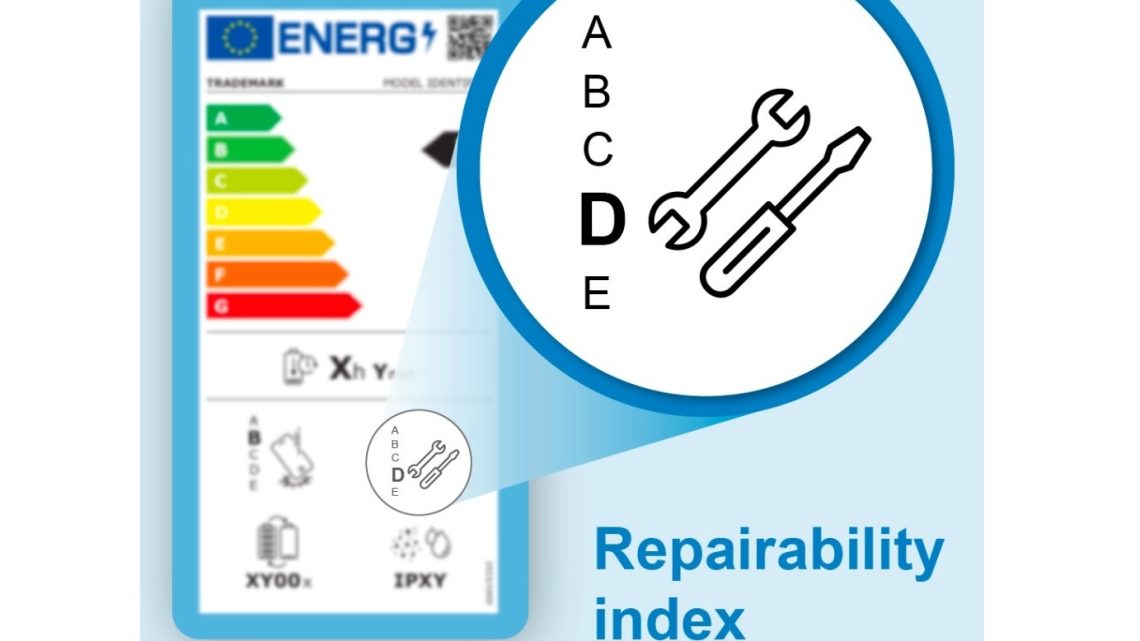
Repairability index
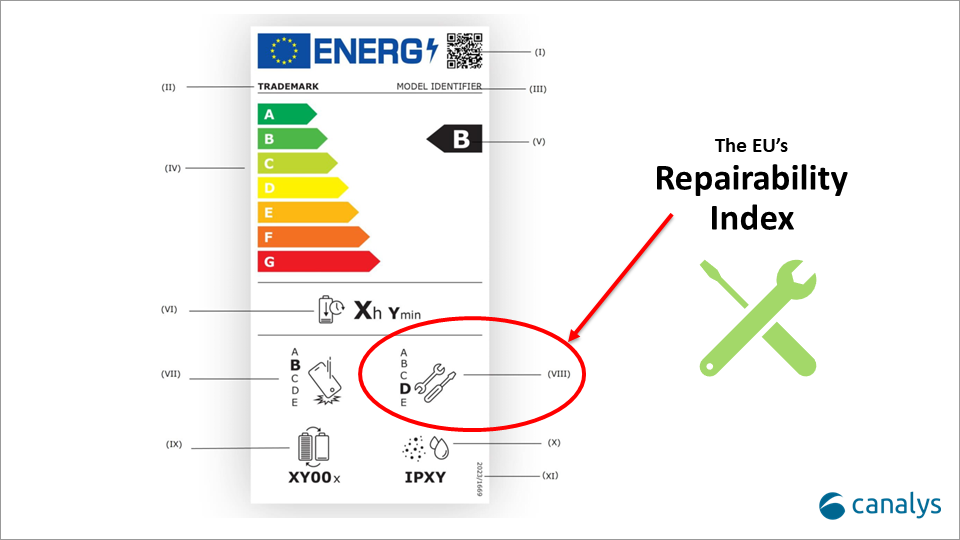
A repairability index is a standardized scoring system that rates how easily an electronic device or appliance can be fixed. Typically scored on a 0 to 10 scale, the system uses color-coded labels to prevent e-waste, combat planned obsolescence, and help consumers choose products that last.
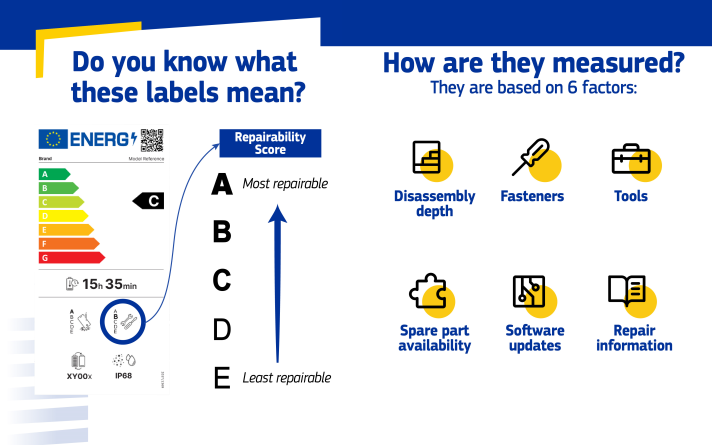
Manufacturers calculate the score based on five evenly weighted parameters: [1, 2]
- Documentation: Availability and duration of free technical manuals, schematics, and software diagnostics for consumers and repair professionals.
- Ease of Disassembly: How easy it is to open the device, the sequence of steps, and whether the fixtures are reversible rather than permanently welded or glued.
- Required Tools: Whether a device can be repaired using standard, everyday household tools or if it forces the use of expensive, proprietary gear.
- Spare Parts Availability: How long the manufacturer commits to supplying core components and how quickly those parts can be delivered.
- Spare Parts Pricing: The ratio of the cost of spare parts compared to the total retail price of the product. (If parts cost too much, people simply throw the device away).
The system features a sliding color palette designed for quick visual browsing on store shelves and websites
- 🔴 0.0 to 1.9: Not repairable at all
- 🟠 2.0 to 3.9: Very difficult to repair
- 🟡 4.0 to 5.9: Difficult to repair
- 🟢 6.0 to 7.9: Fairly repairable
- 🍏 8.0 to 10: Very easily repairable
All products sold by KUTRE EA Industries Limited / Kenyaagri.com are high repairable index 6 to 10
For deeper regional compliance rules, you can review the official guidelines on the Belgium FPS Health Portal or consult consumer frameworks tracked on Repair-ability.eu. [1, 2]
Are you checking the repairability index for a specific product model or brand, or are you researching the legal compliance regulations for a business?